


Having a baby is one of life’s greatest blessings, but it’s also a significant life change. After birth, it may take some time for a mom to feel like herself again — and that’s OK. Lack of sleep, anxiety about balancing time between a new baby and other children, lactation concerns, finances, and more can all fuel the worry that comes with bringing a new life into the world. Every situation is different, but mothers and families should never feel alone or that their emotions are more than they can handle.
Postpartum mental health conditions are very real and more common than many people realize. Early identification is key, so knowing signs to look for and understanding available treatment and coping strategies are critical to managing these conditions before they become more serious.
“Postpartum mental illness is most common within the first six weeks after birth, but it can occur anytime during the first year postpartum,” says Mikala Landon, PMHNP-BC, PMH-C. “One in five women — and one in 10 men — experience perinatal depression or anxiety, so it’s important to seek support as soon as symptoms appear.”
Knowing The Signs and Severity of Postpartum Mental Health Conditions
Before exploring the symptoms, it’s important to understand how serious these conditions can be.
“You might feel OK when you’re in the hospital, but then, when you get home, it hits you,” says Landon. “It can feel overwhelming, and there’s often a stigma and lack of awareness around reaching out for help. Identifying the symptoms is a positive first step toward getting that help.”
The baby blues: The baby blues are quite common after birth and, fortunately, are often short-lived. In fact, the Cleveland Clinic notes that the baby blues can affect up to 3 in 4 people after delivery. Symptoms can include:
- Feeling anxious or overwhelmed a few times a day
- Sudden mood swings, including irritability and crying for no apparent reason
- Fatigue
If symptoms worsen or continue beyond the first few weeks postpartum, individuals should seek support. St. Anthony’s doctors and nurses, including Landon, can help identify the condition and recommend next steps.
“All postpartum women (and men) are encouraged to get and maintain adequate rest, sleep, exercise and nutrition,” says Landon. “These are important first steps to recovery.”
Postpartum depression: Postpartum depression can feel like the baby blues but is more severe and can last longer than two weeks. Symptoms can include:
- Difficulty connecting or bonding with the baby
- Loss of interest in everyday things and social withdrawal
- Severe and frequent mood changes, including intense sadness and irritability
- Sleeping issues, including insomnia
- Extreme fatigue
Postpartum anxiety: According to the Association of Women’s Health, Obstetric and Neonatal Nurses, 600,000–900,000 women in the U.S. are affected annually by perinatal mood and anxiety disorders, or PMAD. Less than 30% of women diagnosed with PMAD seek or receive treatment.
PMAD, postpartum post-traumatic stress disorder and obsessive-compulsive disorder can develop for the first time after childbirth, but they may also be connected to a person’s history of depression or other mental health conditions. Symptoms can include:
- A continuous state of worry and panic
- Repetitive behaviors related to the baby’s safety
- Intrusive thoughts
- Severe distress or flashbacks related to childbirth
Postpartum psychosis: Postpartum psychosis is rare but serious, affecting 0.89 to 2.6 women per 1,000 births within the first six weeks after delivery, according to the National Library of Medicine. It requires immediate medical intervention. Symptoms can include:
- Mania
- Hallucinations
- Delusions
- Extreme behavioral changes that can become life-threatening
Anyone experiencing these symptoms needs help right away — call 911.
Prioritizing Postpartum Mental Health Support, Close To Home
The Birth Place recognizes mental health as an essential part of postpartum care and is making it a priority as it expands its services. Patients are screened for postpartum depression before they leave the hospital, and those who need additional assistance can connect with Landon — St. Anthony’s first perinatal mental health specialist — during their visit.
“We want moms to know that the biggest barrier is often reaching out for support,” says Landon. “We can offer many resources, but we can’t help if we don’t know you need help. If you’re struggling, we’re here for you. That doesn’t automatically mean medication; support can start with self-care, therapy or support groups. Reach out and don’t be afraid to ask questions. We’ll work through it together — and if we don’t have the answer, we’ll find one together.”
Landon has been a nurse since 2009. She received her ARNP and PMHP-BC credentials in mental health in 2019 and started working as a psychiatric nurse practitioner that July. She later completed additional training and completed her certification exam required for certification in perinatal mental health about 1.5 years ago.
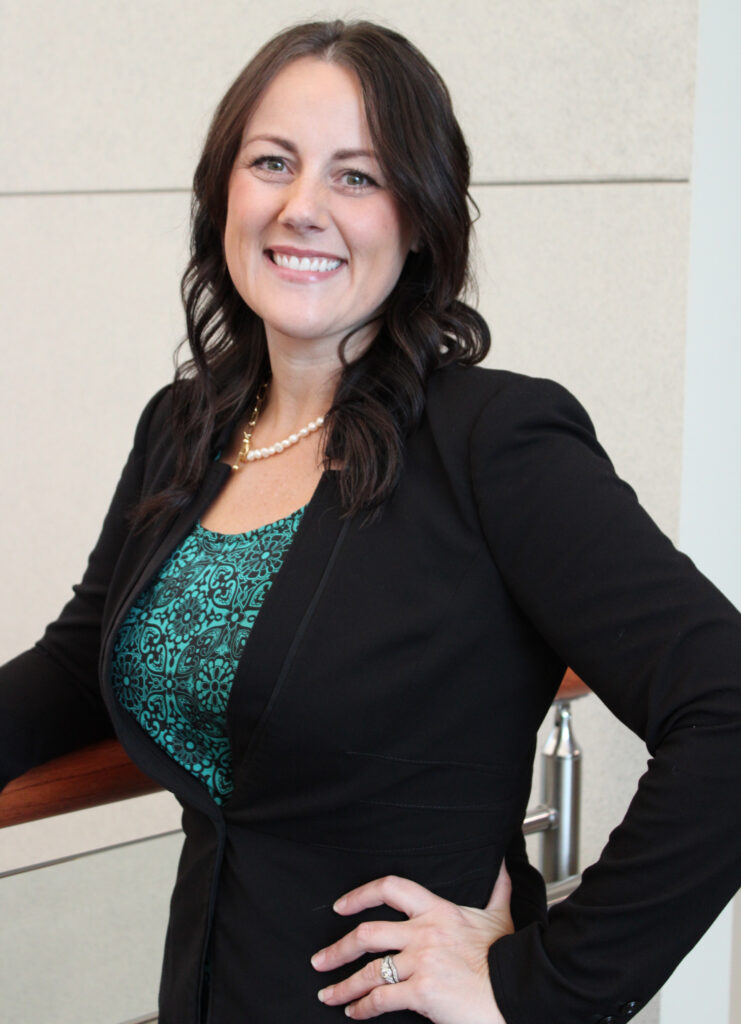
“Being a mom of four, the conditions are pretty relatable for me,” says Landon. “I understand the chaos, stress and feelings that go through your mind when you have a new baby at home — and the ups and downs that go with it. Getting this certification helped me feel more comfortable and better equipped to help patients.”
Landon currently sees patients on an outpatient basis at St. Anthony Mental Health Clinic, with or without a referral. Those with immediate needs or safety concerns should seek care at the hospital or emergency room.
In the office, Landon can help patients create a postpartum support plan that covers managing to-do lists, meal planning for baby and parents, improving sleep hygiene, encouraging self-care, and identifying ways others can help during this busy time. St. Anthony also offers the Postpartum Support Group — a welcoming space where new moms can connect, share experiences and receive encouragement from others who understand the joys and challenges of the postpartum period. The group can help reduce stress and anxiety during the weeks and months after birth.
“It’s important for moms to know they’re not alone and that they have support right here, close to home at St. Anthony,” says Landon. “There are many moms who struggle, and we can get them through this and get them feeling themselves again, not just for themselves but also for their family and their children.”
Your Well-Being Shapes Theirs, Too
Landon adds that parents experiencing mental health struggles can increase the risk of similar challenges for their children, potentially affecting their emotional, physical and cognitive development.
“It’s not just about you; it’s also about your child and future generations. If you don’t address it, you increase their risk of mental health challenges down the road.”
For more information about postpartum mental health or to start a new patient inquiry with Landon, contact the St. Anthony Outpatient Mental Health Clinic at 712-794-5435. For emergency mental health crisis support, call 911 or 988 — the national suicide and crisis hotline.
Citations
Postpartum Support International (PSI). “Help for Perinatal Individuals.” postpartum.net, https://postpartum.net/get-help/help-for-moms/.
Cleveland Clinic. “Postpartum Depression.” my.clevelandclinic.org, last updated 3/26/2026, https://my.clevelandclinic.org/health/diseases/9312-postpartum-depression.
Association of Women’s Health, Obstetric and Neonatal Nurses (AWHONN). “Perinatal Mood and Anxiety Disorders.” Journal of Obstetric, Gynecologic & Neonatal Nursing (JOGNN), revised and approved March 2022. https://www.jognn.org/article/S0884-2175(22)00037-5/fulltext.
Michalczyk, Justyna, Agata Miłosz, and Ewelina Soroka. “Postpartum Psychosis: A Review of Risk Factors, Clinical Picture, Management, Prevention, and Psychosocial Determinants.” Medical Science Monitor 29 (2023): e942520. https://pmc.ncbi.nlm.nih.gov/articles/PMC10759251/.