We are currently experiencing intermittent phone line interruptions at St. Anthony Clinic and Iowa Heart Center in Carroll.
Until further notice, please utilize these phone line numbers:
St. Anthony Clinic: 712-794-5250 Iowa Heart Center: 712-794-5002
Determines the presence, extent or absence of disease and provide data needed for treatment evaluation.
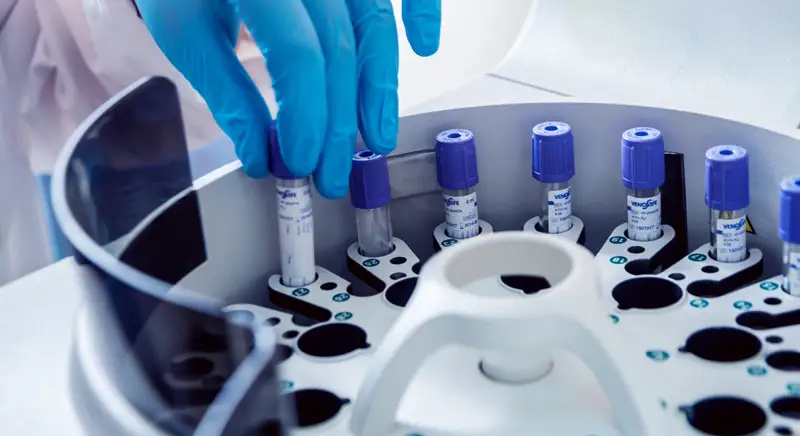
The practice of modern medicine would be impossible without the tests performed by the clinical laboratory. At St. Anthony, a board-certified pathologist, along with a team of professional technologists and technicians who are trained in laboratory techniques, work together to determine the presence, extent or absence of disease and provide data needed for treatment evaluation. Under the direction of Jedd Hagen, MD, St. Anthony’s laboratory performs services around the clock including general chemistry, special chemistry, serology, bacteriology, histology and blood bank services. In addition, the laboratory features microbiology, immunology, toxicology, therapeutic drug level monitoring and comprehensive pathology services.
A key to receiving a correct laboratory result is the specimen used for testing. Some tests require that you limit food and certain beverages or prepare in other ways prior to specimen collection. It is important to follow any instructions provided by your physician prior to having a specimen collected for laboratory tests.
Wellness profiles are offered to the public on the second Tuesday of each month, by physician referral, or for employee groups by request. Wellness results are sent directly to the patient unless ordered by a physician. Patients are encouraged to share the results with their personal physician. Payment for individual wellness profiles must be received at the time of service in cash or check (insurance will not be billed).
Outpatient Laboratory Hours
Monday – Friday6:00am – 6:30pm
Saturday – Sunday6:00am – 3:30pm
Frequently Asked Questions About Laboratory and Results
What tests will the laboratory perform?
Your healthcare provider will order the lab tests necessary for your medical care. Unless you are having tests done under the Laboratory Wellness Testing program, by law, the lab can only do the tests that your provider ordered. They can be used to monitor your wellness, to determine why you are not feeling well, or to monitor a treatment for an illness you know you have. A lab test done on a small sample collected from your body can give your provider information that can help save or improve the quality of your life.
When I am told to “fast” before having a laboratory test what does that mean?
Fasting, means no solid food for 12 hours and no alcohol 24 hours prior to specimen collection. Water should be taken in normal amounts and you should continue taking your medications as directed by your provider.
Who will take my blood test and what can I expect from this?
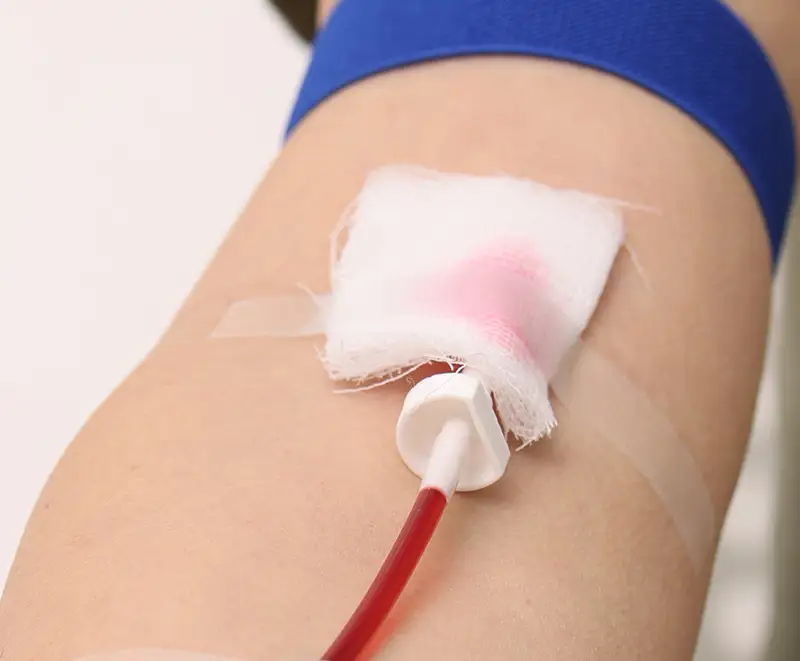
The person who collects your blood specimen is called a phlebotomist. The laboratory depends on the phlebotomist to collect quality specimens to produce quality lab results. The phlebotomist is trained to do this in a professional, skillful, safe and reliable manner.
Will getting blood drawn it hurt?
Nobody particularly enjoys having his/her blood drawn. The phlebotomists have high standards and they will do their best to collect the specimen as painlessly as possible. However, they will have to use a needle to obtain a blood specimen out of your arm or they will poke your finger with a very small object called a lacet. There will be some discomfort, which will be similar to a bee sting.
Where does my lab specimen go? Who works in the lab?
Your specimen goes to a laboratory to be tested. A highly skilled medical team of pathologists, technologists, technicians and specialists work together to determine the presence, extent or absence of disease and provide valuable information needed to evaluate the effectiveness of treatment. Though the laboratory professionals spend less time with patients than doctors and nurses, medical lab professionals are just as dedicated to patients’ health. We know your provider will base your treatment on our results. We are committed to giving your provider accurate and precise results in a timely manner.
What about other specimens that do not involve a blood draw, such as cultures and biopsy specimens? What happens to them?
Your specimen still comes to the laboratory to be tested by the same medical lab team.
How will I receive my lab results?
The laboratory will send your test results to the healthcare provider who ordered the test. By law, we can only give your results to your provider. Your provider will give you your results either by phone, at your next office visit or by mail. If you are unsure of how you will get your results, please call the office of the provider who ordered the tests.
How soon will my provider receive my lab results?
It depends on the test that is being performed. The majority of laboratory testing is performed the same day as the specimen is collected and your provider’s office should have these results the following day. Some tests may take longer if we send the specimen to an outside reference laboratory. Culture specimens or biopsy specimens may take as long as three days because of the nature of testing these specimens.
Who will explain my test results to me?
The provider who ordered your tests will be the one to explain your results to you. Because your providers know why they ordered the tests, they are the best ones to see how the results fit into your total health care.
Laboratory Services
Cytology
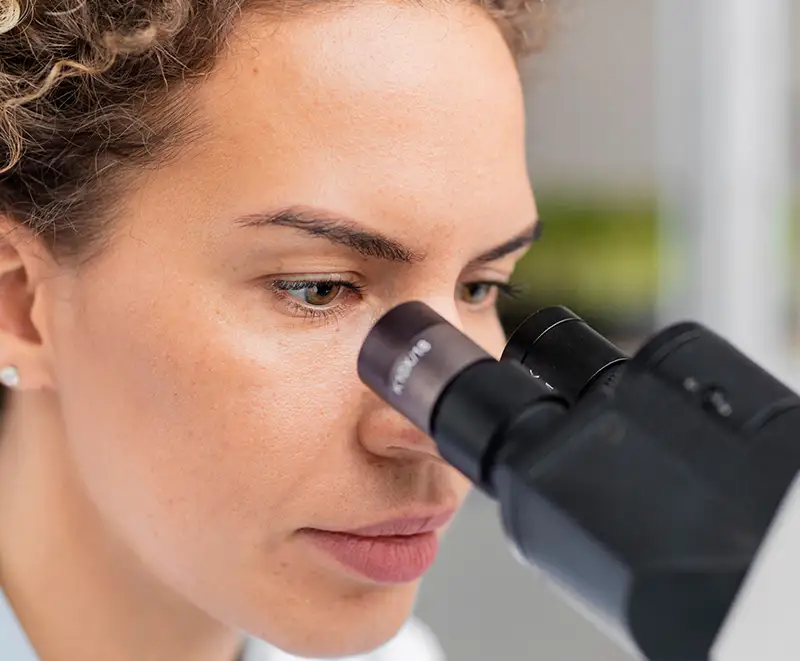
In cytology, a skilled cytotechnologist examines human cells under the microscope, looking for early signs of cancer and other diseases. The most common type of specimen processed in the cytology department is the Pap smear.
Surgical Pathology
Pathology is the branch of medicine that treats the essential nature of a disease, especially the structural and functional changes in tissues and organs of the body, which cause or are caused by a disease.
Immunology
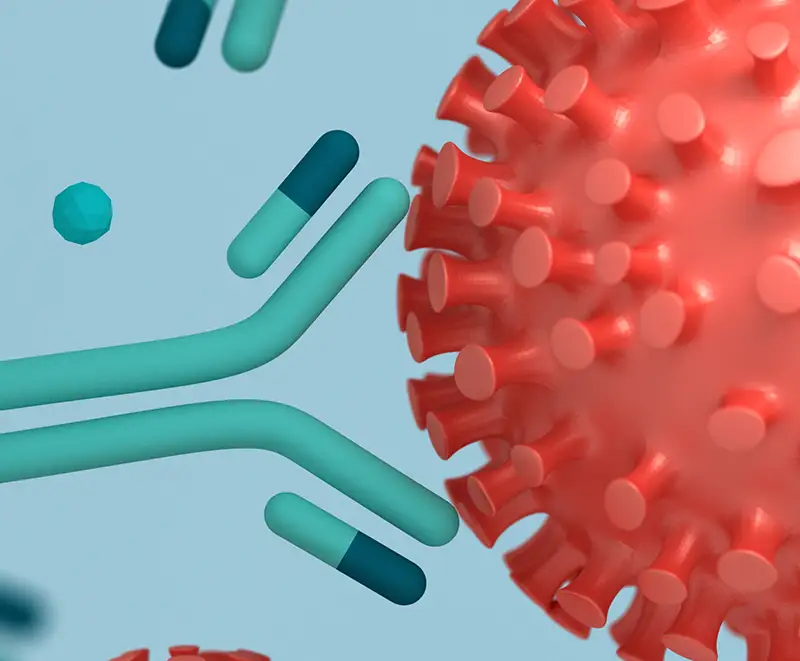
Immunology is the study of immune products such as antibodies produced by the body in response to foreign material.
Transfusion Services/Immunology
Transfusion Services provides blood transfusion support by providing the patient with red cells, plasma, cryoprecipitate or platelets. Testing is performed on the patient’s blood specimen prior to transfusing to make sure compatible blood is given.
Microbiology
Microbiology is the study of microorganisms including algae, bacteria, fungi, protozoa and viruses. Any bodily fluid or tissue can be cultured for infectious disease. Once a bacteria is grown in culture, it can be tested against many different antibiotics to find the most effective for fighting the infection.
Hematology
Hematology is the study of blood, blood morphology and blood diseases. Hematologists count and classify blood cells into different categories. Coagulation is the study of the clotting activity of blood.
Chemistry
Chemistry performs a wide variety of tests using the most current technology. It is defined as the scientific study of matter and the various compounds of the elements as it relates to the human body. Common tests analyzed in the chemistry laboratory are glucose, cholesterol, BUN, creatinine, potassium, liver and heart enzymes, thyroid tests, hormone tests and PSA.
St. Anthony sends out a quarterly newsletter with current health messages, services, and other educational material. If you would like to be included, fill out form below!